How Summer Stress Impacts Lawns and Plants
Most summer lawn damage in West Michigan has little to do with a lack of water. That is exactly why reaching for the hose so often backfires.
Summer stress can look identical on the surface whether the cause is drought, fungus, or root damage, and treating the wrong one tends to deepen the problem rather than solve it.
Understanding what is actually happening beneath the surface is what separates a lawn that recovers from one that keeps declining all summer.
Most summer lawn damage isn’t caused by summer at all.
Summer Stress Isn’t the Heat, It’s the Soil
“Stress” in a plant means anything that forces it to spend more energy than it can replace. In a West Michigan summer, that rarely comes from one source. Heat, humidity, uneven rainfall, and foot traffic tend to stack on top of each other, and the combined load is what breaks a lawn down.
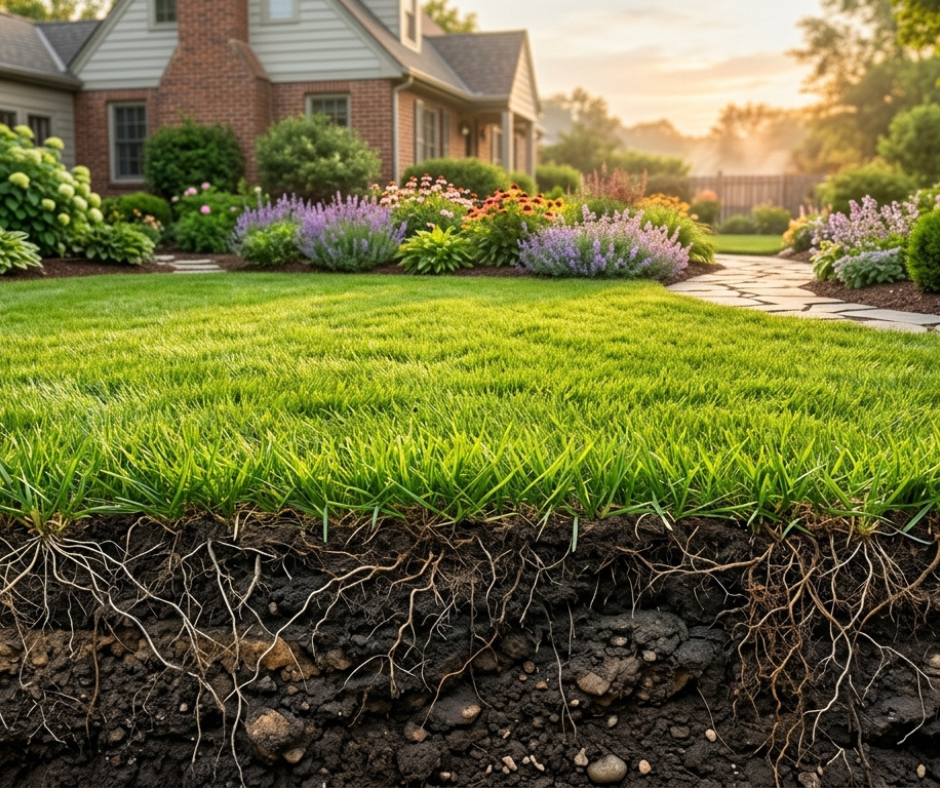
Cool-season grasses like Kentucky bluegrass and tall fescue are built for spring and fall temperatures. When midsummer heat arrives, they shift into dormancy, a survival response where the plant intentionally slows down. Brown grass is not always dead grass. It is often a plant doing exactly what it is designed to do. What makes summer stress genuinely dangerous is what’s already working below ground:
- Compacted soil is packed too tightly for roots and water to move through it, so moisture sits on the surface or runs off instead of reaching the root.
- Poor drainage keeps roots sitting in water after rain, cutting off the oxygen they need to survive.
- Shallow root systems leave the plant with almost no reserve to draw from once the topsoil dries out.
Watering can’t fix a problem that lives in the soil itself, and once you understand that, good summer care starts to look very different from what most people expect.
3 Summer Lawn Mistakes That Do the Most Damage
When grass browns and plants wilt, the instinct is to do more. More water, a fresh cut, a round of fertilizer. In summer heat, each of those tends to work against your plants.
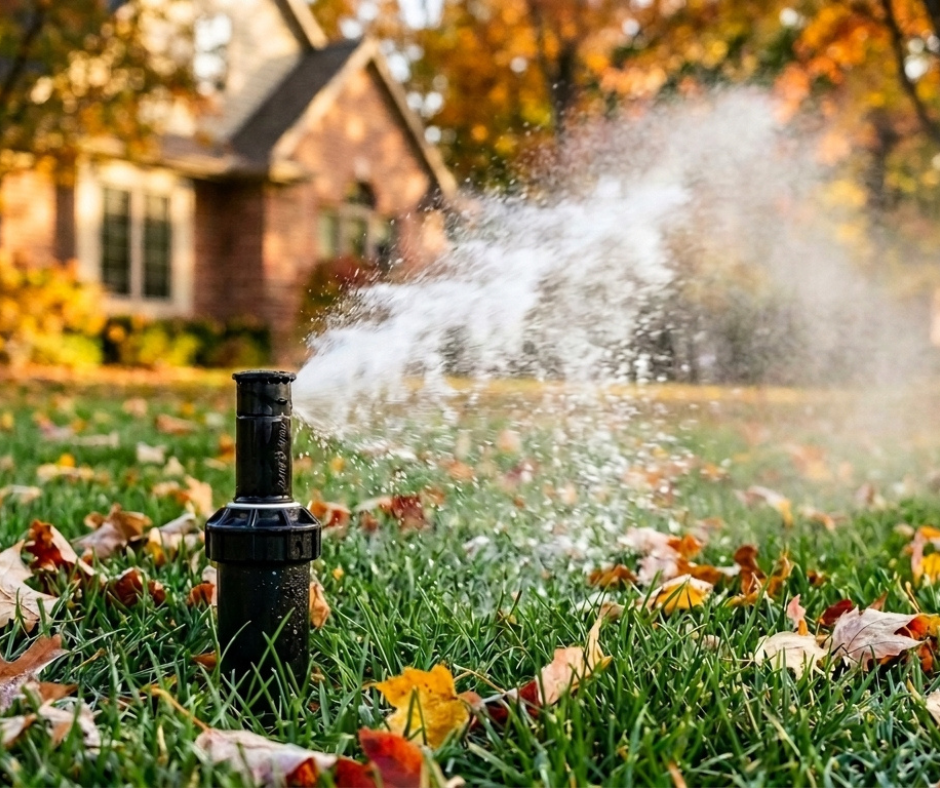
Overwatering a browning lawn is one of the most common mistakes made by homeowners and property managers alike. Frequent shallow watering trains roots to stay close to the surface instead of reaching deeper for stored moisture. It also keeps the soil surface consistently damp, which is exactly the condition lawn fungus needs to take hold.
Mowing too short compounds the problem. The grass blade is where photosynthesis happens, the process by which the plant converts sunlight into the energy it runs on. Cutting the blade short during a heat wave removes that food source right when the plant has the least capacity to recover. Most cool-season grasses should stay at three to four inches through the hottest weeks of the season.
Fertilizing in peak summer heat is another common misstep. Fertilizer signals the plant to push new growth, but a heat-stressed plant cannot support that growth. The result is new grass that scorches quickly and a root system under even greater strain.
Why Your Planting Beds Need Summer Attention Too
Lawn grass gets most of the attention in summer, but shrubs, perennials, and ornamental plantings are under the same pressure. At CAMP, we treat the lawn and the beds as part of the same system, because stress in one area usually shows up in the other.
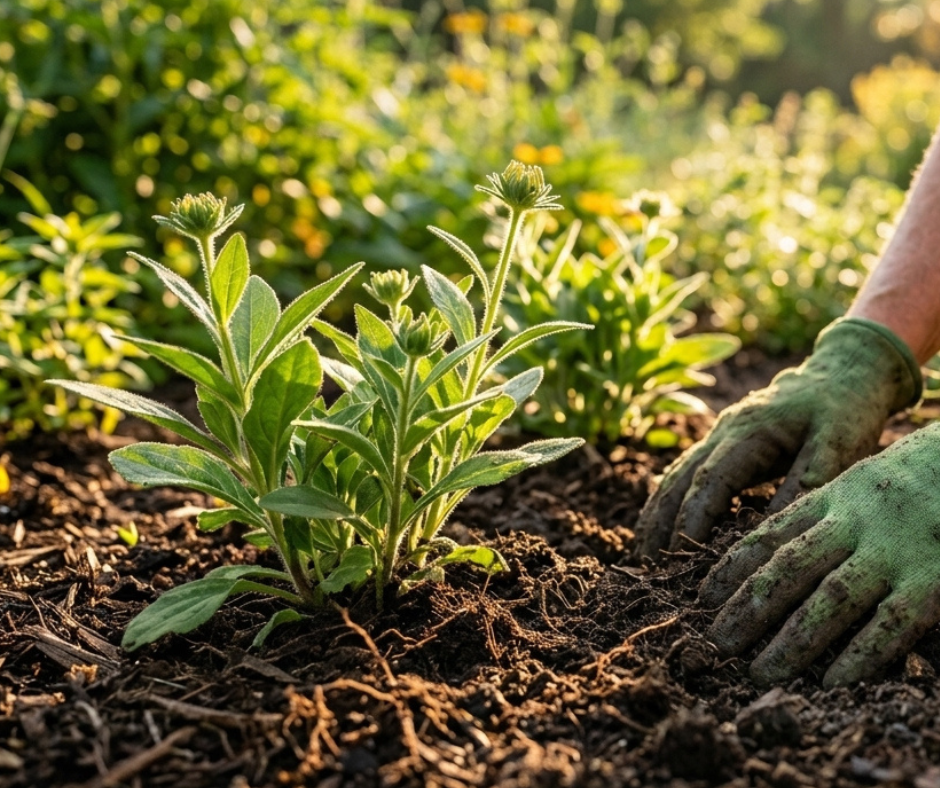
Mulch is one of the most practical tools in a summer planting bed. A two-to-three-inch layer regulates soil temperature and slows moisture from evaporating between waterings. Too thin and the soil bakes. Too thick, especially when mulch is piled against the base of stems, traps moisture against the plant and invites rot. Heat-stressed shrubs and perennials are also more vulnerable to insect damage and fungal infection. Pests move toward weakened plants first. A few timely moves head off the larger failures:- Remove faded, dead flowers so the plant stops putting energy into making seeds and sends it back to the roots instead.
- Water deeply and infrequently at the base of plants rather than wetting the foliage.
- Prune at the right time to remove damaged growth without triggering a stress response in peak heat.
Get Ahead of Summer Stress: Protect Your Lawn and Beds
Summer stress rarely causes lawn and plant damage on its own. It just brings existing problems to the surface. Nearly all of it is preventable when someone reads the signs correctly and early.
At CAMP, we work with homeowners and property managers across West Michigan who want to stay ahead of the season rather than recover from it. If your lawn or beds are showing signs of stress this summer, we would be glad to schedule a property assessment and help you understand what your landscape actually needs right now. Reach out to the CAMP team to get started.Other Posts You May Like