5 Common DIY Landscaping Mistakes (Fall Edition)
Winter has a way of exposing every shortcut taken in the fall. The plant that went in too late, the irrigation line that never got serviced, the drain quietly clogged with leaves. None of it looks like a problem in September. By spring, it’s a repair bill.
That’s why we think of fall less as the season things wind down and more as the season you set everything up. A handful of well-timed jobs now is far cheaper than the fixes that come after a hard Michigan winter.
Below are the fall mistakes we see most often, why each one costs more than it should, and the simple steps that head them off before winter shows up.
In West Michigan, the right plant in the right spot is
the key to a landscape that lasts.
The Wrong Plant at the Wrong Time
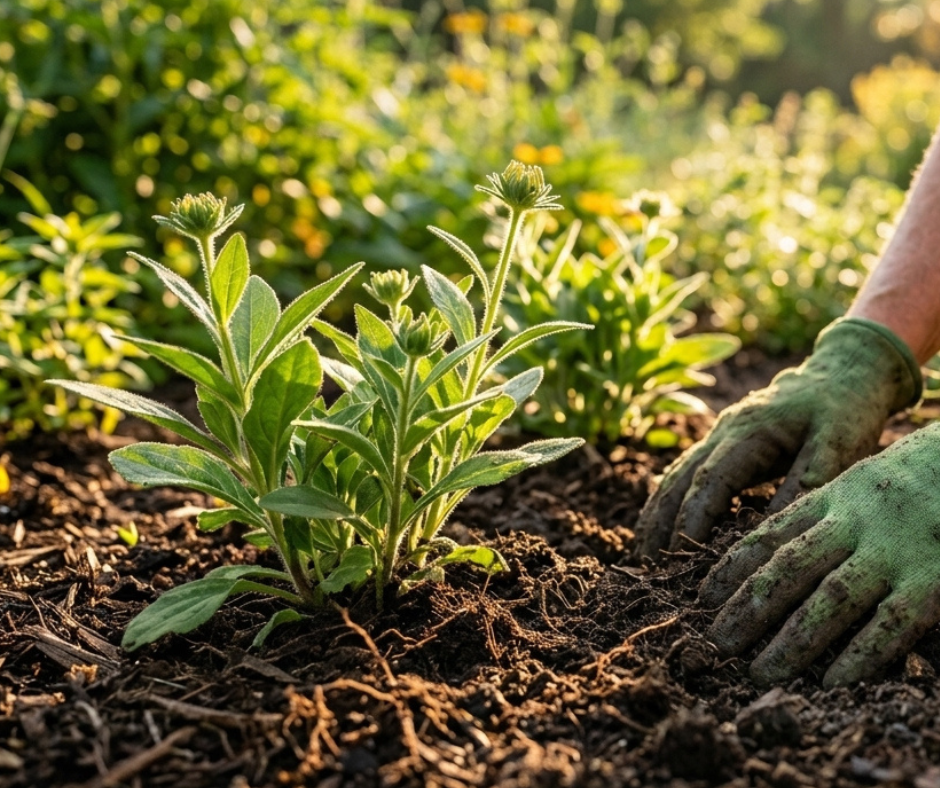
Many homeowners squeeze in new plants at the end of the season without thinking about whether those plants will have time to settle in before the first freeze. Roses, ornamental grasses, and perennials planted in late October often don’t get the chance to root before the cold sets in. Here’s what most people don’t realize: fall is actually one of the best times to plant trees and shrubs. Cooler air and still-warm soil give roots a real chance to anchor before winter. The key is timing. Get new plantings in during early-to-mid fall, and stick with Michigan-hardy varieties suited to our clay-heavy soil and cold winters. Think red maple trees, panicle hydrangea, juniper, and tough perennials like daylilies and sedum. Early fall is also the time to tuck in spring bulbs like tulips and daffodils.Skipping Mulch and Leaving Leaves on the Lawn
Heading into winter with bare beds is one of the most common oversights we see. Without a layer of mulch, roots are exposed to the freeze-thaw cycles that are so hard on plants here in West Michigan. Repeated freezing and thawing can push shallow roots right out of the ground, leaving them exposed and often unable to recover. Fallen leaves left sitting on the lawn create a different problem. A thick mat of wet leaves blocks light and air, which invites mold, pests, and dead patches that take the whole next season to recover. The simple fix is to refresh mulch in your beds about two to three inches deep, keeping it pulled back from plant stems and tree trunks so moisture doesn’t build up against the bark. As for the leaves, don’t just rake and bag them. 💡 Shredded leaves make excellent free mulch and compost material for the following season.Forgetting to Shut Down Your Watering System
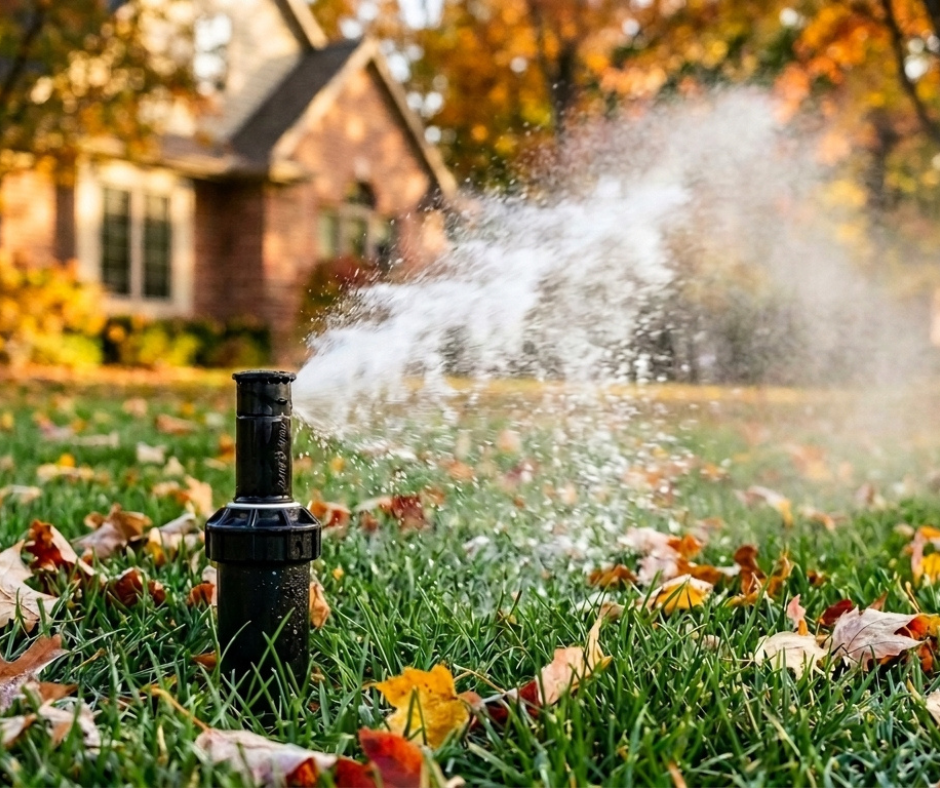
Some homeowners keep watering on the same schedule they used all summer, right up until frost. Others go the opposite direction and simply forget about the irrigation system entirely. Both approaches lead to the same result. Water left sitting in irrigation lines and sprinkler heads will freeze. When water freezes, it expands. That expansion cracks pipes and damages sprinkler heads, and irrigation system repairs add up quickly. Taper off watering gradually as temperatures drop in fall. Before the ground freezes, give your plants one last deep soak so they go into winter with enough moisture. Then schedule a professional blow-out of your irrigation system before the first hard freeze. At CAMP, we consider this one of the most worthwhile things a homeowner can do in the fall.Mowing Too Short
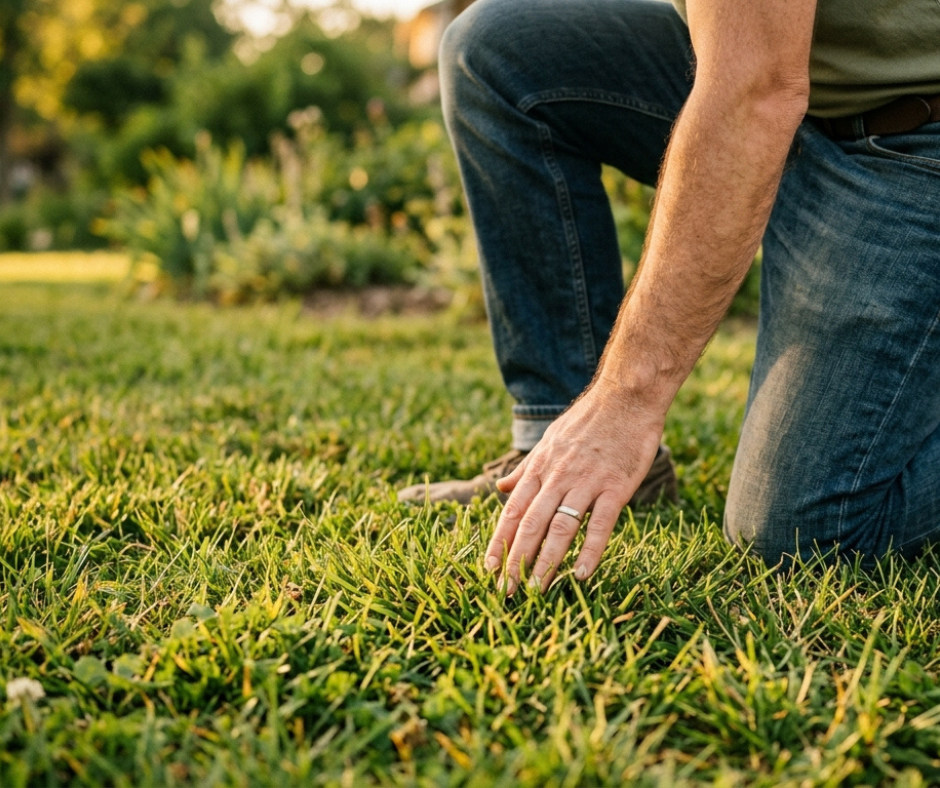
Many homeowners assume shorter grass means less to worry about over winter, but the opposite is true. Grass that’s given one last “buzz cut” is far more vulnerable to cold damage and disease, and it mats down more easily under the weight of snow. Come spring, that often means thin or dead patches you’ll have to reseed. Instead, keep your final cuts around 2.5 to 3 inches. That’s tall enough to protect the crown and roots, but short enough to avoid matting under snow. Lower the blade gradually over your last few mows and keep mowing until the grass stops actively growing, which is usually mid-to-late fall here in West Michigan.Neglecting to Seal and Protect
It’s easy to think of hardscaping as “set it and forget it,” but heading into winter without sealing or clearing your pavers, patios, and retaining walls can lead to some of the most expensive damage of all. Here’s what happens: water seeps into small cracks and joints, then freezes and expands, slowly lifting, cracking, and shifting your hardscape over the course of the season. That freeze-thaw cycle repeats all winter long, and by spring you may be looking at heaved pavers, cracked concrete, and leaning walls. Clean your surfaces and apply a quality sealant in early fall, while temperatures are still mild enough for it to cure properly, and check that the joint sand between pavers is topped off where it’s washed away. Before the first freeze, clear standing water, leaves, and debris from patios and along retaining walls so moisture isn’t sitting where it can seep in. And when the snow arrives, reach for a plastic shovel blade and skip the de-icing salts, which can eat away at stone and concrete over time.A Little Work Now Goes a Long Way
You don’t have to become a landscaping expert to avoid costly winter damage. A few well-timed steps before the first freeze make a real difference in what your yard looks like when spring returns. A low-maintenance landscape isn’t about doing more. It’s about doing the right things at the right time. In fall, the right time is now, before the cold makes everything harder and more expensive. If you’d like some help figuring out where to start, reach out to schedule a fall consultation with our team at CAMP. We’re a family-owned company right here in Grand Rapids, and we’re happy to walk through your property and help you set things up for a strong spring.Other Posts You May Like