Why Late Summer Is the Best Time to Evaluate Your Landscape
Most homeowners make their yard decisions in one of two moments. Back in late spring, when everything is green and motivation is high. Or in fall, when they are raking and cleaning up and something finally becomes impossible to ignore. Late summer gets skipped because the yard looks finished, with no glaring problems demanding attention.
That is exactly why it deserves a closer look. Late summer is actually the best window to see what thrived, what struggled, and what needs real work while there is still time to act on it.
Here is what to look for when you walk your yard in late summer and why doing it now beats waiting until the season turns.
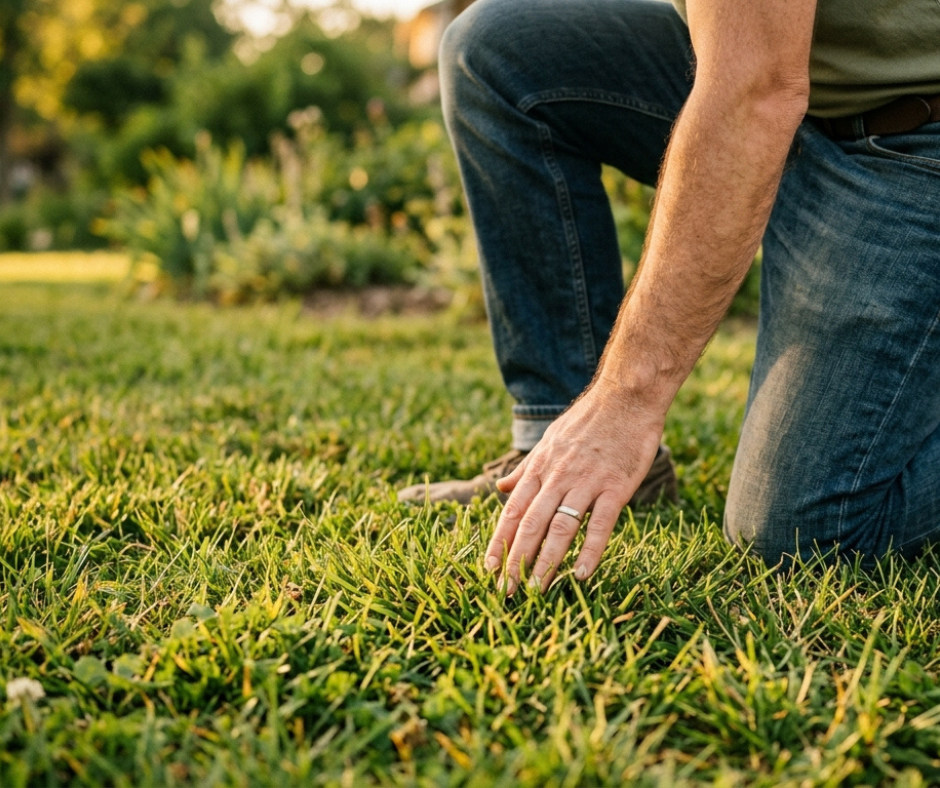
There’s a short window between summer stress and fall frost,
and this is it.
Your Yard Is Showing Its True Colors Right Now
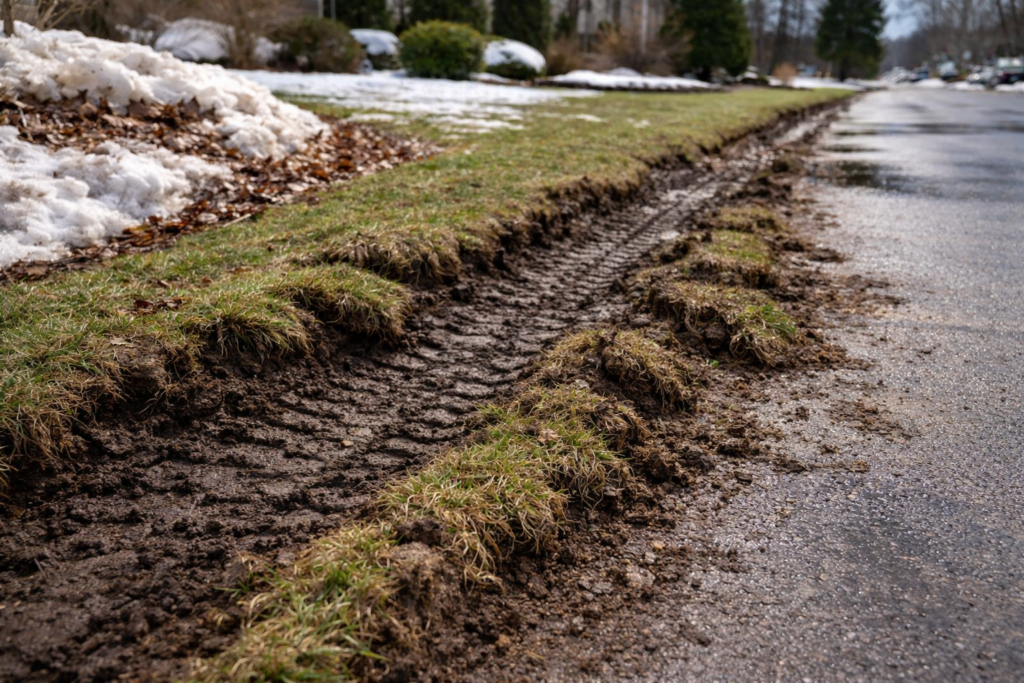
After a full summer of heat, drought, and foot traffic, your yard’s weak spots have nowhere left to hide. The lawn, beds, and plants that were borderline have shown their true colors, and that small bare patch has spread to its full size. Put it off until fall and all of that gets harder to see, right as Grand Rapids’ mid-October frost closes your window to fix them. Here’s what to look for on a late-summer walkthrough:- Thin, browning, or patchy areas in the lawn that did not recover from summer heat
- Planting beds that never filled in or show signs of plant stress
- Mulch that has broken down
- Perennials or shrubs that underperformed despite regular watering
What’s Above and Below the Grass
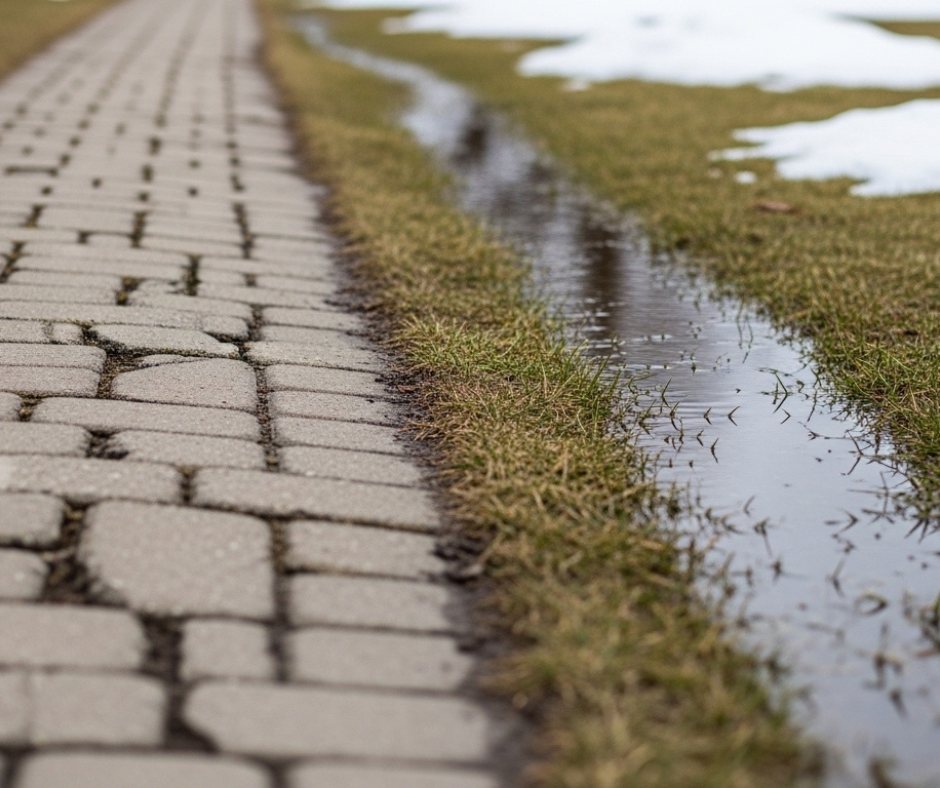
Most people glance at the lawn and stop there, but the lawn is just the surface. Late summer shows you the whole picture if you know what to look for. Above ground, you are checking for structure. Dead or crossing branches, shrubs growing into each other, plants competing for the same light and space. Below ground, you are reading drainage patterns and soil health. At CAMP, we look at both layers during a site walkthrough because fixing only what you can see tends to leave the real problem in place. Signs of deeper issues worth addressing before winter:- Standing water or soggy areas that persist after rain
- Tree canopies that look thin, uneven, or show signs of disease
- Shrubs or ornamental trees that are overcrowded or growing into structures
- Soil that is compacted or does not seem to absorb water the way it should
- Erosion along beds, slopes, or lawn edges