What to Plant in West Michigan This Spring
Every May in Michigan, homeowners start thinking about spring planting after one sunny weekend and begin filling carts with flowers, shrubs, and fresh mulch. But a Michigan spring can be tricky. Plant too early, pick the wrong plants, or ignore your site conditions, and that exciting spring upgrade can turn into wasted time and money.
Smart spring planting means choosing plants that fit your region, your property, and the amount of care you realistically want to give them.
Michigan State University Extension offers region-specific gardening calendars, which are valuable because planting timing can vary across the state. A homeowner in Grand Rapids should not follow the same timing as someone in another part of the state.
Let us help translate seasonal guidance into a practical plan for your specific property — what to plant now, what to wait on, and what to avoid.
Plant with confidence this spring using smart choices that fit Michigan’s timing, weather, and long-term maintenance needs.
Before You Plant, Check Michigan’s Spring Timing
May is a great month for Michigan landscape upgrades, but timing matters. The right plant can still struggle if it goes into the ground too early or in the wrong spot. Before you start planting, use local timing as your guide:- ⏳ Watch for frost risk, especially in early May. A sunny afternoon does not always mean the danger has passed. Tender plants can still be damaged by a cold night.
- ⏳ Be careful with tender annuals. Plants like begonias, petunias, marigolds, and geraniums can add great color, but they are not all equally forgiving in cold conditions. Just because they are available at the garden center does not mean your landscape is ready for them.
- ⏳ Match the timing to your specific landscape. Shaded beds, windy corners, low wet areas, and planting spaces near pavement can all behave differently. One bed may warm up quickly, while another stays cold, damp, or exposed.
- ⏳ Use the calendar as a planning tool, not a rigid rulebook. A gardening calendar helps you avoid guessing, but it cannot account for every detail on your property.
Best Plants for a Low-Maintenance Landscape
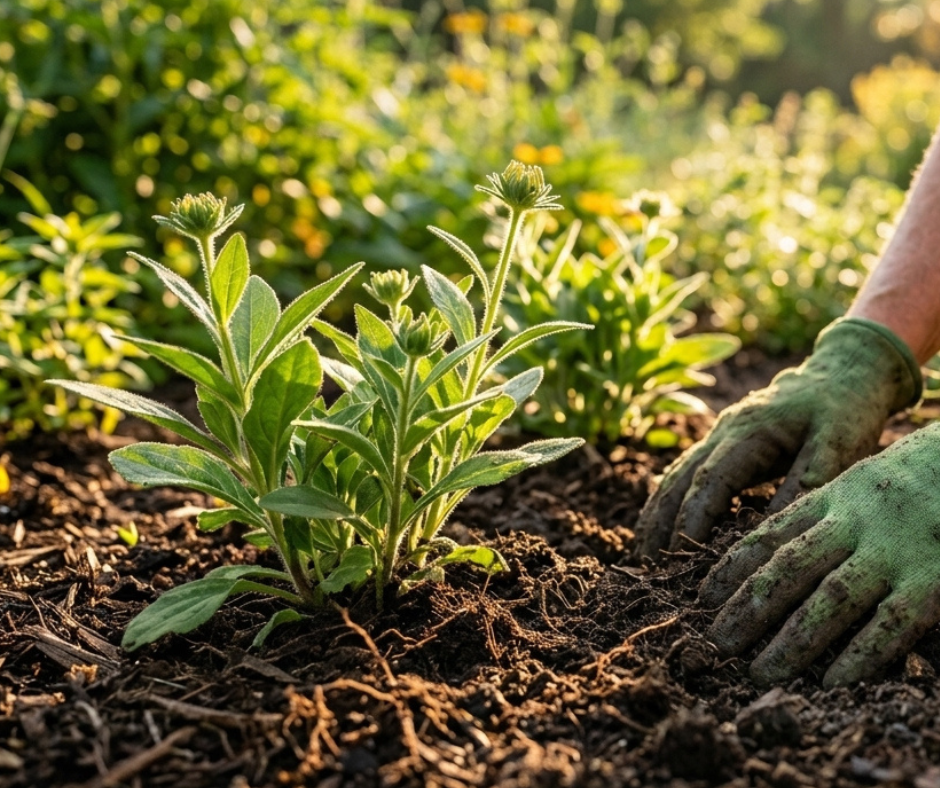
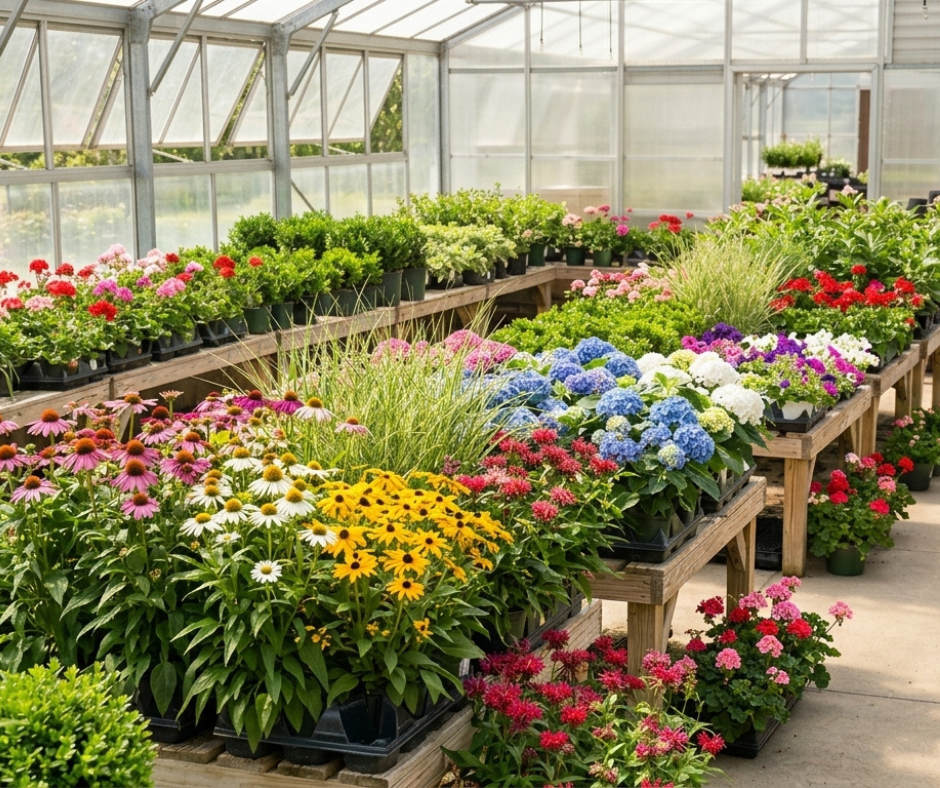
Spring planting upgrades should improve your property beyond short-term color. Bright annuals and fresh blooms are great, but the best landscapes use plants that can handle Michigan’s seasonal swings and still look good with reasonable care, even for busy property owners. Every plant should have a purpose, whether it adds color, structure, texture, coverage, or seasonal interest.- 🌼 Hardy perennials add reliable color year after year without needing to be replanted (daylilies, black-eyed Susans).
- 🌼 Well-adapted shrubs, like hydrangeas and boxwoods, or ornamental grasses can help frame entrances and give the property a more polished look without requiring constant attention.
- 🌼 Native Michigan plants are built for local conditions (coneflower, switchgrass).
- 🌼 Pollinator-friendly plants bring more life to the landscape. Options like bee balm and milkweed can support bees, butterflies, and other pollinators while adding color.
- 🌼 Seasonal containers with geraniums or petunias work well near entrances, patios, or high-visibility areas where you want impact without reworking an entire bed.
Plant With a Plan, Not a Shopping Cart
The biggest mistake many homeowners make with spring planting is treating it like a weekend errand. They head to the garden center, pick what looks good that day, and try to make it work once they get home. That approach can lead to crowded beds, mismatched plants, wasted money, and more maintenance than expected. A stronger spring landscape upgrade starts with a few practical questions:- ✅ What areas need structure, not just color?
Flowers are great, but shrubs, grasses, and perennials often do more to shape the landscape and make it feel finished.
- ✅ Which beds are too crowded or too bare?
Overfilled beds can look messy and become hard to maintain. Empty beds can make the property feel unfinished.
- ✅ Which plants failed last year, and why?
A plant that struggled may have been in the wrong light, soil, or exposure. Replacing it with the same type of plant only repeats the problem.
- ✅ How much time will this landscape realistically get after the spring planting season?
Be honest. If watering, pruning, and weeding are unlikely to happen consistently, the planting plan should reflect that.
Plant With Confidence This Spring
A successful spring landscape upgrade in West Michigan is not about planting the most or planting the earliest. It is about choosing the right plants, at the right time, for the right place. Michigan’s spring weather can be unpredictable, but your plan does not have to be. By paying attention to local timing, choosing plants that do more than look pretty, and thinking through how your landscape will be maintained, you can create an outdoor space that looks better and works harder all season long. Whether you are refreshing a front entrance or replacing plants that did not make it through last year, a little planning can save a lot of frustration later. Start your Upgrade Season with CAMP and a smarter planting plan 🌱Other Posts You May Like