Low-Maintenance Landscaping Starts With Soil and Light
Successful planting starts with understanding your yard’s actual conditions, not just your preferences.
Many homeowners pick plants based on how they look at the nursery, only to watch them struggle through summer and fail to return the following spring. It is a frustrating and expensive cycle that happens more often than it should. This post walks through how to assess your soil and light, match plants to those conditions, and set up a yard that stays healthy with less maintenance.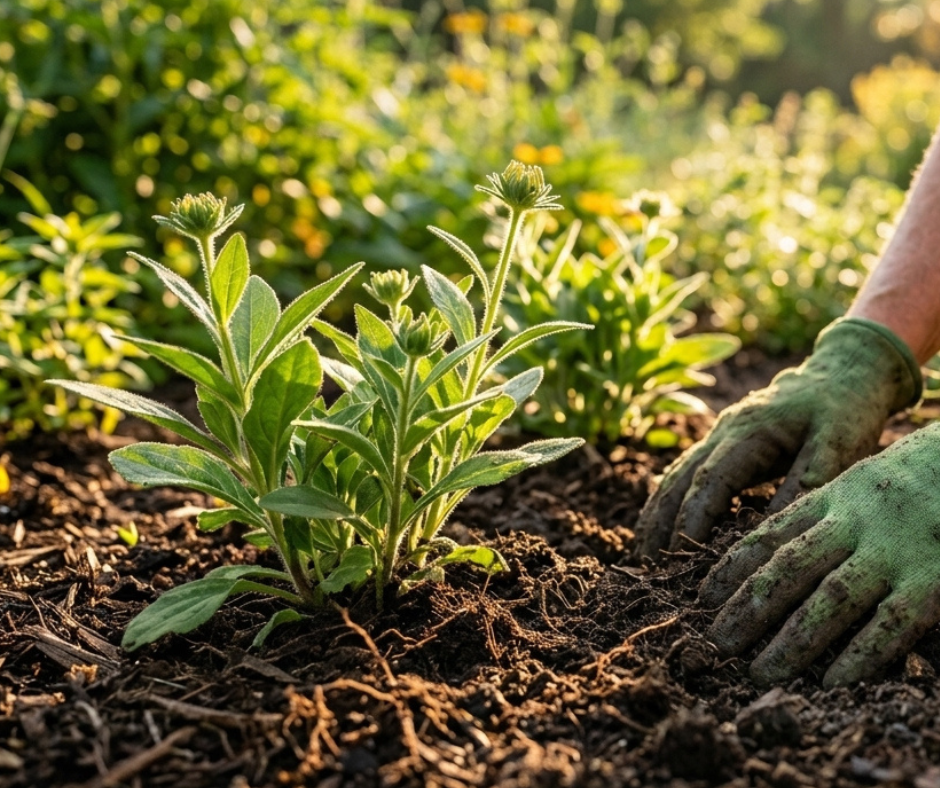
In West Michigan, the right plant in the right spot is
the key to a landscape that lasts.
Your Soil Type Determines More Than You Think
West Michigan has a diverse mix of sandy, clay, and crumbly soils depending on your neighborhood and how close you are to the lakeshore.
Sandy- Sandy soils drain quickly and dry out fast. This soil type is most common near the lakeshore and requires plants that tolerate dry conditions between waterings.
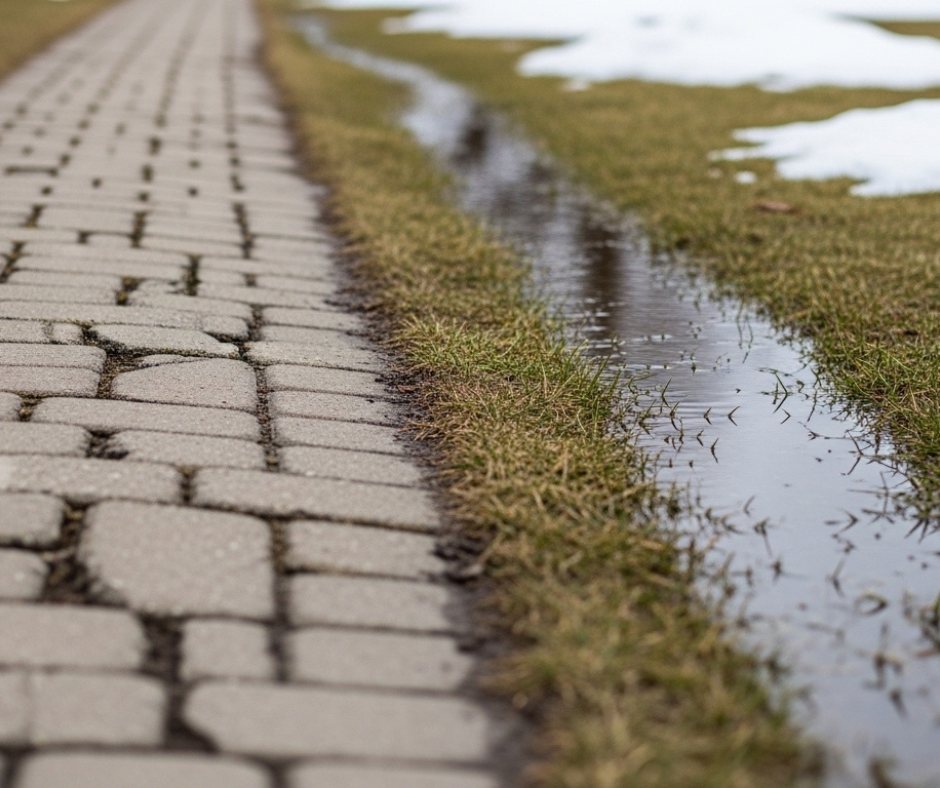
- Clay soils are more prevalent in established neighborhoods and can lead to standing water and root rot if the wrong plants are installed. It tends to hold moisture longer and can suffocate roots if drainage is poor.
- Crumbly, also known as “loamy”, soil sits in the middle and is generally the easiest to work with, but it is not universal across the region. These soils support a wider range of plant types but still benefit from periodic testing to understand nutrient levels.
Sunlight Shifts Across Your Yard and Through the Seasons
Full sun, part shade, and deep shade can all exist within the same property, sometimes within a few feet of each other. Most homeowners underestimate how much light conditions shift throughout the day and across seasons.
Full sun areas receive at least six hours of direct sunlight daily and support the widest range of flowering plants. Part shade areas get two to four hours of direct sun and require plants that can tolerate lower light without declining. Deep shade under mature tree canopies limits your options significantly and calls for shade-tolerant ground covers or woodland plants. Sun angles change from spring through fall, meaning a spot that gets afternoon sun in April may be shaded by mid-July. Walking your yard in the morning, midday, and late afternoon on a clear day gives a much more accurate picture than a single observation.Matching Plant Choices to Real Conditions Reduces Maintenance
Once you understand your soil and light, the goal is to match plants to those conditions rather than forcing conditions to fit the plants you want. Native and regionally adapted plants are particularly well suited to West Michigan’s climate because they evolved alongside the same soils, rainfall patterns, and temperature swings your yard already experiences.
- Native plants like wild bergamot, black-eyed Susan, and native grasses require far less supplemental water once established.
- Regionally adapted shrubs and perennials are more resistant to local pests and disease without additional intervention.
- Placing the right plant in the right spot reduces how often you need to fertilize, water, or replace struggling specimens.
A Landscape That Takes Care of Itself
Choosing plants based on your actual soil and light conditions is the single most effective way to reduce landscape maintenance over time. It is not about limiting your choices. It is about making choices that hold up year after year without constant intervention.
At CAMP, we work with both homeowners and property managers across Grand Rapids who want outdoor spaces that are both attractive and sustainable to maintain. If you are thinking about a spring planting project, we would be glad to connect before the season gets busy. Reach out to schedule a consultation and give your landscape a plan that starts on solid ground.