Modernize an Outdated Landscape Without Starting Over
An outdated landscape does not always mean a failed landscape. Sometimes the bones are still good, but the space needs a better plan, simpler plants, and updates that fit how the property is actually used. The right changes can make your outdoor space feel more modern, easier to care for, and more connected without starting from scratch.
At CAMP, we look at landscape upgrades with a practical eye. What is still working? What is making the property harder to maintain? Which areas will make the biggest difference once they are refreshed? In this blog, we will walk through how to spot what makes a landscape feel outdated, how to upgrade for easier maintenance, how to modernize in phases, and when it may be time to start fresh with a bigger plan.
Your landscape may not need a total redo —
just the right updates to bring it back to life.
Signs Your Landscape Looks Outdated
A landscape does not have to be falling apart to feel outdated. Sometimes the plants are still alive, the lawn is mostly fine, and the beds are technically “maintained,” but the overall look feels tired or boring.
Before you start adding new plants or planning a full landscape makeover, take a step back and look at what is making the space feel dated in the first place. A smart spring landscape refresh starts with knowing what is actually holding the property back. Common signs include:
- 🔎 Overgrown shrubs blocking windows, signs, or walkways. Plants that once fit the space can eventually take over. When shrubs crowd, hide visibility, or make walkways feel tight, the whole property can start to feel neglected.
- 🔎 Old mulch that looks thin or washed out. Mulch does more than add color. It helps protect soil, retain moisture, and reduce weeds. When it gets patchy or washed away, planting beds can look unfinished fast.
- 🔎 Too many small plants with no clear structure. A bed full of random plants can feel busy instead of intentional. Modern landscaping usually has a cleaner sense of rhythm with the right mix of structure, texture, and seasonal color.
- 🔎Outdated materials or disconnected features. Worn decorative rock, uneven walkways, or patios that do not connect naturally can make the whole outdoor space feel pieced together.
May is a good time to evaluate these problem areas because new growth makes spacing, plant health, and layout issues easier to see. The first step is taking an honest look at what is helping the property and what is quietly making it harder to maintain.
Low-Maintenance Upgrades That Make a Difference
A modern landscape should not only look refreshed. It should be easier to care for. That is where many landscape updates miss the mark.
A bed can look great the week it is installed, but if it needs constant trimming, watering, weeding, or replanting to stay that way, it is not really solving the problem. A smarter upgrade focuses on beauty, function, and low-maintenance landscaping that fits how the property is actually used.
- 🌿 Fix drainage issues before replanting. If an area stays too wet, washes out, or keeps killing plants, new landscaping alone will not solve it. Addressing drainage first gives new plants a better chance to thrive.
- 🌿 Choose plants that fit conditions. Sun, shade, soil, moisture, wind, and salt exposure all matter. A plant that works beautifully in one bed may struggle in another. Matching plants to the actual conditions of the property helps reduce replacement, watering, and extra upkeep.
- 🌿 Use seasonal color where it has the most impact. Annual flowers and container plantings are great for entrances, patios, and other high-visibility areas. Spreading seasonal color everywhere can get expensive and difficult to keep up with. Focus it where people will notice it most.
For homeowners, lower-maintenance upgrades can mean more outdoor areas that feel easy to live with. For property managers, the right updates can make entrances and shared spaces easier to keep presentable between service visits.
The goal is not just a prettier landscape. It is a landscape that fits the way your property is actually used.
Modernize Your Landscape in Phases
Many properties are better served by tackling the most visible, most frustrating areas first. Phasing your landscape upgrades makes the project easier to plan without turning the entire property into a construction zone.
The key is to start with the upgrades that make the biggest difference first.
Phase 1: Clean up beds, edges, pruning, and debris.
- Start with the basics. Fresh edging, proper pruning, and debris removal can make a tired landscape look sharper almost immediately. This phase helps reveal what is still working and what needs more attention.
Phase 2: Remove failing, overgrown, or poorly placed plants.
- Once the space is cleaned up, it is easier to see which plants are helping and which ones are holding the landscape back. Removing problem plants creates room for better structure, improved visibility, and a cleaner layout.
Phase 3: Add structure with updated shrubs, perennials, or grasses.
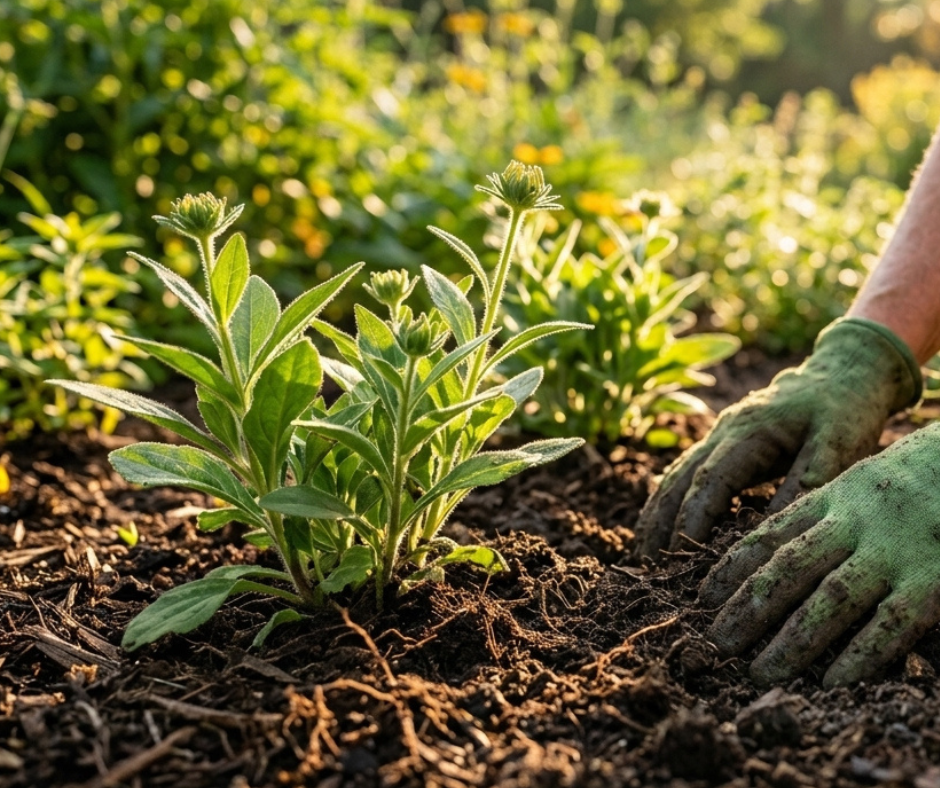
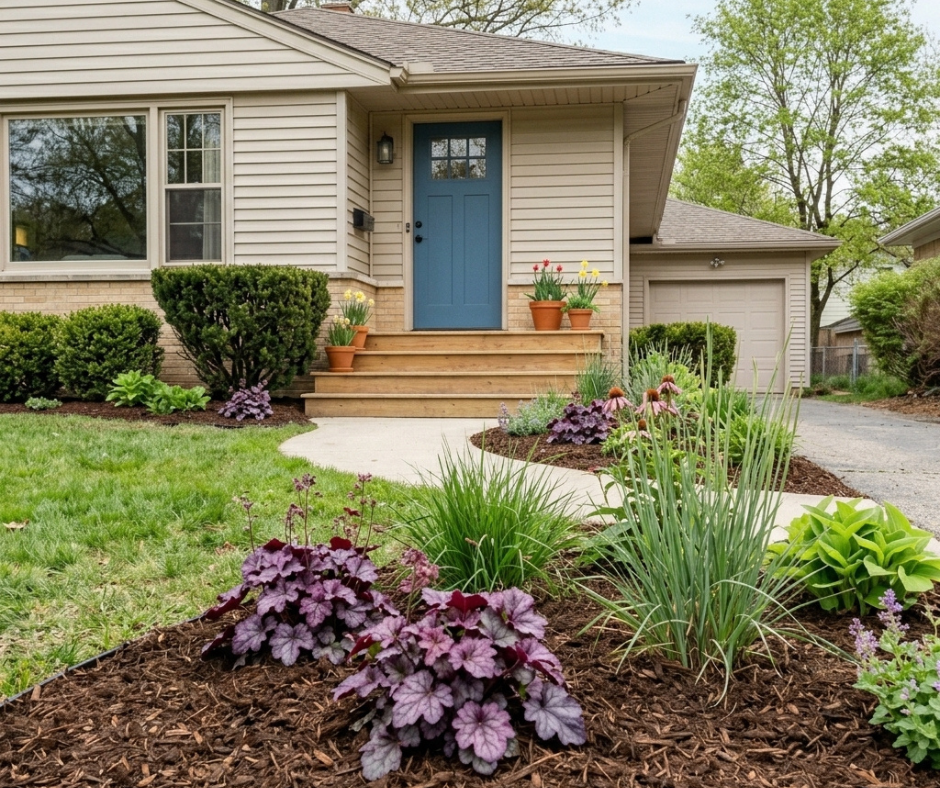
- This is where the landscape starts to feel more intentional. Right-sized shrubs and ornamental grasses can help fill gaps, soften edges, and create a more modern look without starting from scratch.
Phase 4: Create a seasonal maintenance plan.
- A modernized landscape still needs the right care to stay sharp. A simple plan for weed control, plant care, and bed maintenance helps keep the property from sliding back into the same problems.
For property managers, phasing can make West Michigan landscape maintenance easier to coordinate around tenant needs and seasonal priorities. For homeowners, it keeps the project from feeling like everything has to be solved in one weekend.
A phased approach helps homeowners and property managers make steady progress without overwhelming the whole property.
When It’s Time for a Full Landscape Makeover 
Sometimes a landscape refresh is enough. Other times, it is better to stop patching the same problems and plan for a full landscape makeover.
It may be time to start fresh if:
- Drainage problems are damaging plants, lawn areas, or patios.
- Most shrubs are overgrown, declining, or planted too close to the building.
- Walkways, entrances, or outdoor spaces no longer fit how the property is used.
- The landscape feels disconnected, crowded, or hard to maintain everywhere.
- You are updating the same areas every season but never getting the result you actually want.
Refresh Your Landscape with Confidence
Modernizing an outdated landscape does not have to mean tearing everything out or taking on one overwhelming project. Often, the best place to start is by looking honestly at what feels tired, disconnected, or harder to care for than it should be.
From there, smart updates can make a big difference. Focus first on the entrances, walkways, and shared spaces people use and notice the most. Clean up the beds. Remove plants that no longer fit.
The goal is simple: a landscape that looks current, feels easier to manage, and supports the way your property is actually used.
With professional care and year-round attention, you do not have to keep guessing what to fix next or wondering whether your outdoor space is getting away from you. Reach out to schedule your seasonal consultation and start planning a smarter landscape refresh today.